Cognitive behavioral therapy in Barcelona


What CBT involves
Cognitive behavioral therapy shows that a significant part of the condition depends on automatic thoughts and habitual reactions that once helped to survive a difficult situation but now only interfere. In sessions, together with a specialist, you learn to notice these thoughts, test them against reality, choose different reactions, and build new stable patterns of behavior.The methods of cognitive behavioral therapy are based on scientific research. They include working with negative beliefs, exposure in cases of fear and panic, learning self-regulation skills, working with behavioral habits, thought and emotion journals, and homework.
At SENSOR23 we supplement these methods with neurotechnologies and medical support so that the changes become more deeply consolidated and proceed more gently for the body.
EFFECTS OF THERAPY


Indications for cognitive behavioral therapy
CBT has been well studied and has proven effective for a wide range of conditions. The best known areas are cognitive behavioral therapy for panic attacks and for depression. These are precisely the disorders for which CBT is often recommended as one of the first-line methods.
But the range of indications is much wider. In our practice CBT helps with:
- generalized anxiety and chronic worry;
- obsessive thoughts and rituals;
- social anxiety and fear of evaluation;
- post-traumatic stress;
- eating disorders;
- impaired impulse control.
A separate area is cognitive behavioral therapy for gambling addiction and other behavioral addictions. Here it is important not only to reduce the craving for the game but also to learn different ways to cope with stress, emptiness, boredom, and anxiety that were previously numbed by addictive behavior.
Cognitive behavioral therapy for anxiety at SENSOR23 often becomes part of a broader program. We do not just teach techniques, but in parallel we work with the brain, nervous system, and body to reduce the general level of internal tension.
The price of cognitive behavioral therapy
We usually discuss an approximate plan at the very first stage so that you understand what time frame and level of support to expect. In our philosophy there is no endless therapy without goals. The task is to help you come as ecologically and effectively as possible to a state in which you yourself manage your life, and not anxiety, depression, or addiction.
Our methods










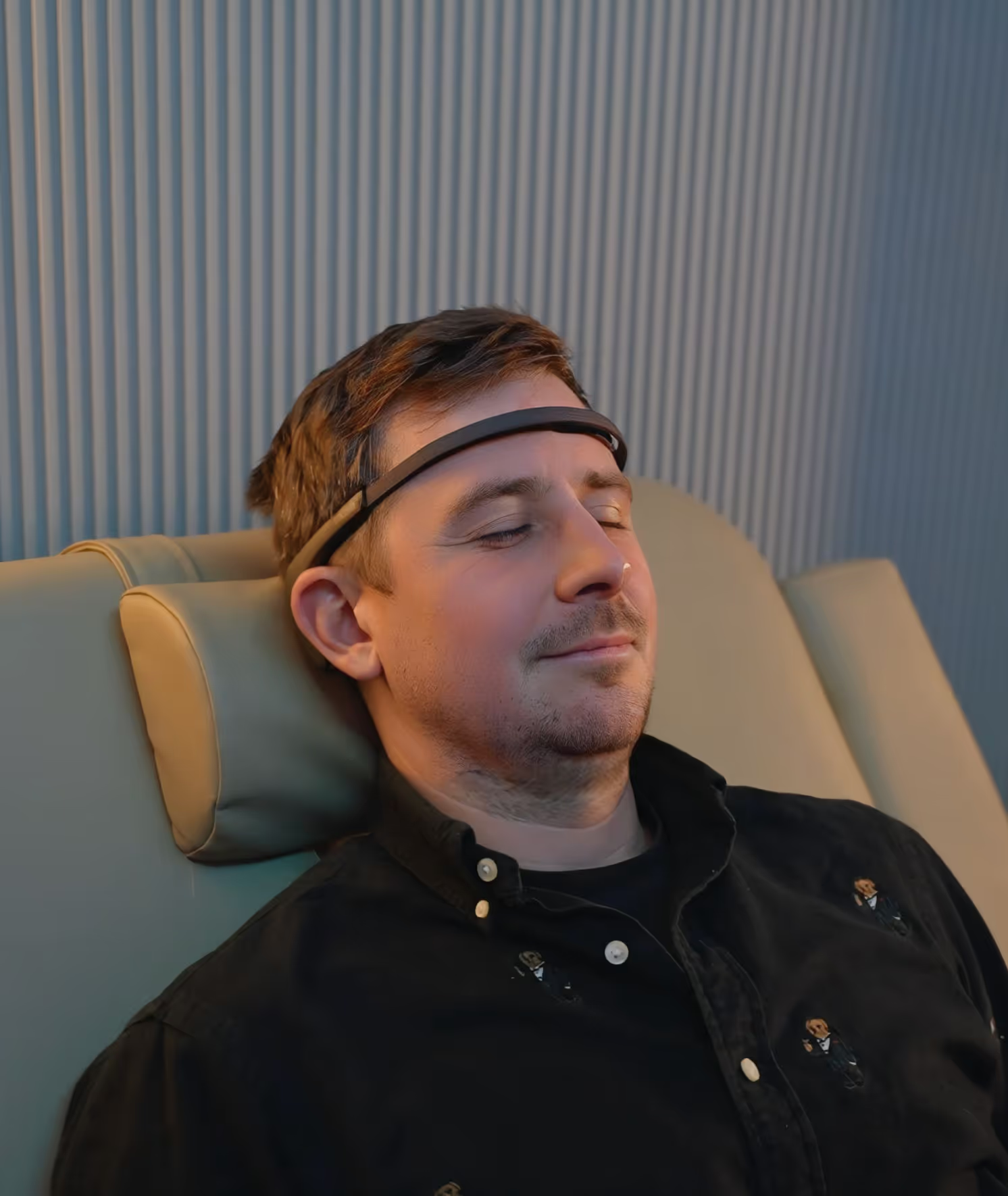
Includes assessment of cognitive skill development (memory, attention, thinking, information processing speed, cognitive flexibility, etc.) as well as personal qualities (mindfulness, emotional understanding and regulation, building social relationships, identifying motivation, etc.).
Choose your
diagnostic package
with essential diagnostics
- Brain mapping
- Microbiome analysis
- Heavy metals panel
- Blood biochemistry (~100 biomarkers)
(vitamins, amino acids, hormones, etc.)
- Stress test
- Personalized health plan
- Personalized report
- 3 months of support
- 3 consultations with a specialist
- Brain mapping
- Microbiome analysis
- Heavy metals panel
- Stress test +
- Blood biochemistry (~200 biomarkers)
(extended vitamins, amino acids, hormones)
- Endocrine disruptors analysis
- Brain Status
- Personalized health plan
- Personalized report
- 6 months of support
- 6 consultations with a specialist
- Advanced interpretation
- Personalized action plan
- All tests from Deep Check
- Fully personalized health track
- Individual diagnostics strategy
- Ongoing 1:1 support
- Personal recommendations & adjustments
- Priority support
- Long-term health optimization plan
SENSOR23 PROGRAMS


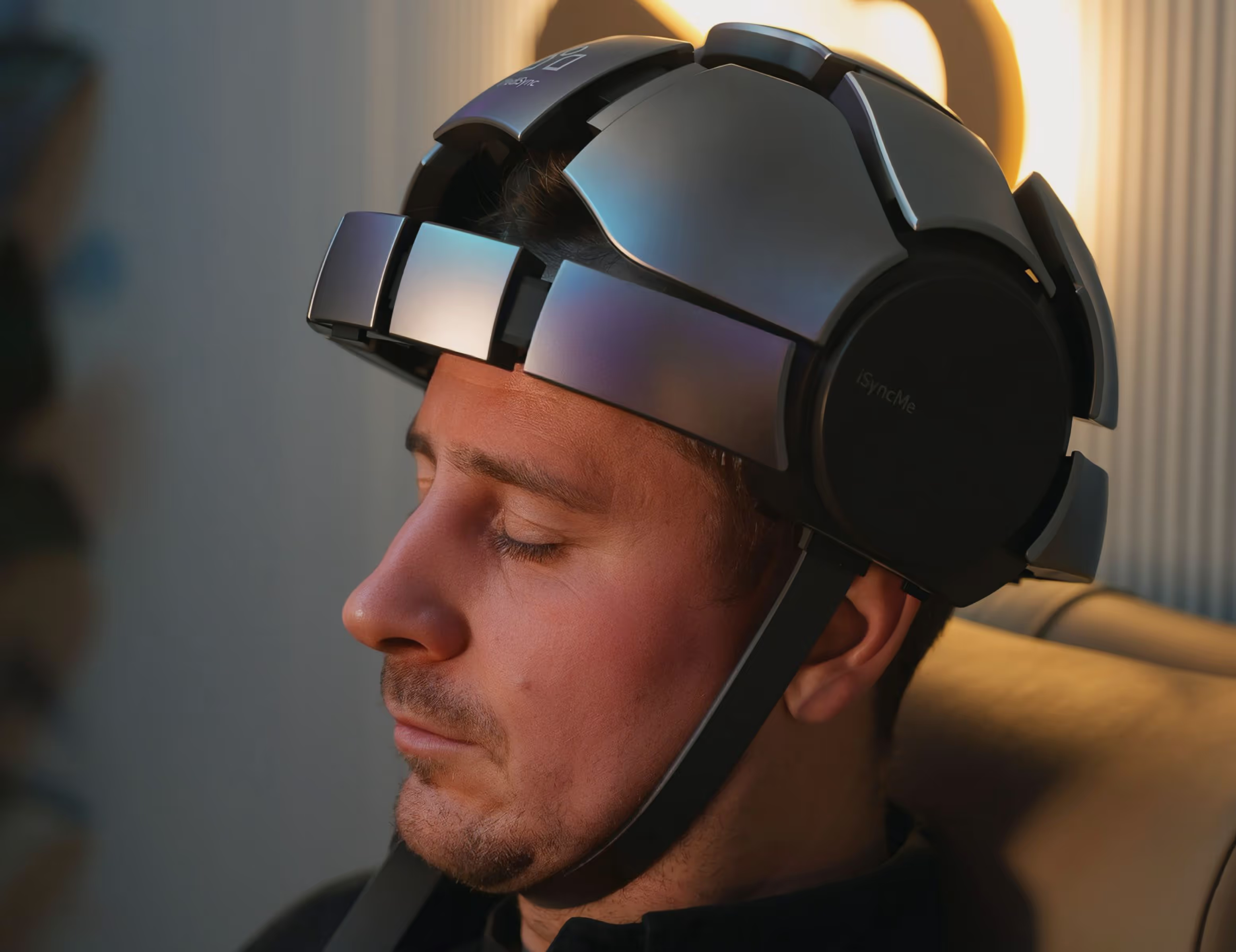
- float technology - a special environment similar to an embryonic environment, where complete relaxation of the body occurs
- bilateral audio stimulation - used to improve information processing in the brain and reduce anxiety levels
- aromatherapy - affects the limbic system of the brain, which is responsible for emotions and memory, promoting relaxation and a feeling of calm
- light therapy - the use of various visual stimuli and techniques to relieve stress, anxiety, improve mood and cognitive function.
- controlled stress - a technique that stimulates the production of endorphins and serotonin, improves mood and reduces stress levels, and activates the body's resistance to stress.

- installation session
- advanced diagnostics: analyses, instrumental studies of the brain and body, in-depth assessment of mental problems
- in-depth conclusion on the state of your psyche, brain and body
- personal recommendations and a roadmap
- personal sessions with leading specialists of the center (online/offline)
- session of deep reset of consciousness
- neuro technologies: neurofeedback, electro-stimulation of the brain, etc
- enhanced personal molecular vitamin complex
- personal assistant
- access to video practices and trainings
- physiotherapy: manual therapy, massage, osteopathy
- mind fullness session

- installation session
- diagnosis: assessment of mental problems, instrumental studies of the brain and body,
- personal recommendations and roadmap (nutrition, molecular complex, neurotechnology, practices, etc.)
- conclusion on the state of your psyche, brain and body
- personal recommendations and roadmap (nutrition, molecular complex, practices)
- personal session with a specialist (online/offline)
- session of deep reset of consciousness
- neurotechnologies: neurofeedback, electro-stimulation of the brain, etc.
- personal molecular vitamin complex
- personal assistant
- access to video practices and trainings

- installation session
- preliminary conclusion on your condition
- personal recommendations and roadmap (nutrition, molecular complex, neurotechnology, practices, etc.)
- personal session with a specialist (online/offline)
- personal assistant
- access to video practices and trainings

- mental and cognitive diagnostics
- any tests
- genetic diagnosis
- neurological examination
- electrocardiogram
- electroencephalogram
- daily monitoring of ECG and blood pressure
- ultrasound examination
- microbiome diagnostics

- Hangover: faster removal of negative symptoms, detoxification and dealing with the consequences after drinking alcohol or drugs
- Intensive detoxification: In-depth detoxification of the body, removal of toxins, toxins and free radicals.
- Energy accelerator: Replenishment of liquids, vitamins and trace elements. necessary to generate brain and body energy, increase productivity and motivation
- Improving immunity: Strengthening the protective properties of the immune system and supporting the health of the whole body
- Vitamin therapy: Restoring the balance of the body, relieving the symptoms of chronic diseases, improving overall well-being.
- Beauty: Improving the appearance and health of the skin, hair and nails due to accelerated recovery of the body
- Antistress: Reducing tension of the nervous system and psyche, reducing anxiety, improving sleep

- advanced diagnostics of the brain and nervous system: analyses, instrumental studies of the brain and body, in-depth assessment of cognitive and behavioral abilities
- in-depth conclusion on the state of your psyche, brain and body
- personal recommendations and a roadmap
- personal sessions with leading specialists of the center (online/offline)
- session of deep reset of consciousness
- neuro technologies: neurofeedback, electro-stimulation of the brain, etc
- molecular vitamin complex against aging of the brain and nervous system
- physiotherapy: manual therapy, massage, osteopathy
- access to video practices and brain enhancement trainings

- advanced diagnostics: analyses, instrumental studies of the brain and body, in-depth assessment of mental problems
- in-depth conclusion on the state of your psyche, brain and body
- personal recommendations and a roadmap
- personal sessions with leading specialists of the center (online/offline)
- session of deep reset of consciousness
- neuro technologies: neurofeedback, electro-stimulation of the brain, etc
- enhanced personal molecular vitamin complex
- personal assistant
- access to video practices and trainings
- physiotherapy: manual therapy, massage, osteopathy
- mind fullness session
The main
mechanisms
of therapy
The correct treatment process

consultation:

diagnostics:

individual therapy plan:

and support:

adaptation:

What to expect from treatment
It is important to understand that cognitive behavioral therapy does not produce instant miracles. It is a structured process in which changes accumulate gradually. Usually after a few weeks a person notices that:
- they understand their reactions better;
- it becomes easier to stop ruminating thoughts;
- panic attacks become less frequent and easier;
- the level of constant anxiety decreases;
- there is more energy and motivation;
- sleep and the ability to concentrate improve.
At the same time, cognitive behavioral therapy for depression works not only with mood but also with behavior. A person learns to bring small sources of pleasure and meaning back into life, although previously it seemed that there was no strength or desire for anything.
With panic, phobias, and social anxiety, situations that previously seemed impossible gradually become manageable. With gambling addiction and other dependencies, you learn to recognize triggers, track cravings, and choose other courses of action instead of the usual automatic scenario.
How therapy is conducted
Therapy begins with an initial consultation. The specialist carefully asks about your condition, symptoms, life situation, and goals. Together you formulate a request: what you want from the treatment and what changes will mean that life has truly become different.
Then an individual plan is created. It includes regular sessions of cognitive behavioral therapy, usually once a week. In some cases, when the condition is complex and more intensive support is needed, the frequency can be higher.
In the sessions you:
- analyze specific episodes that cause strong emotions;
- learn to notice automatic thoughts and beliefs;
- test them against reality using logic and facts;
- look for more realistic and supportive formulations;
- plan new actions and try them out in life;
- analyze the results and adjust strategies.
A key feature of CBT is the active involvement of the client. This is not passive listening to advice. Between sessions you do small assignments, keep journals, and try new reactions in familiar situations. In other words, in practice you understand how to change your life with the help of cognitive behavioral therapy - through small conscious steps that ultimately create big changes.
At SENSOR23, CBT is often combined with other methods: neurofeedback, physiorehabilitation, molecular support, and gentle bodywork techniques. This approach helps not only to change thoughts but also to relieve the background biological load, stabilize sleep, energy, and concentration.


Testimonials


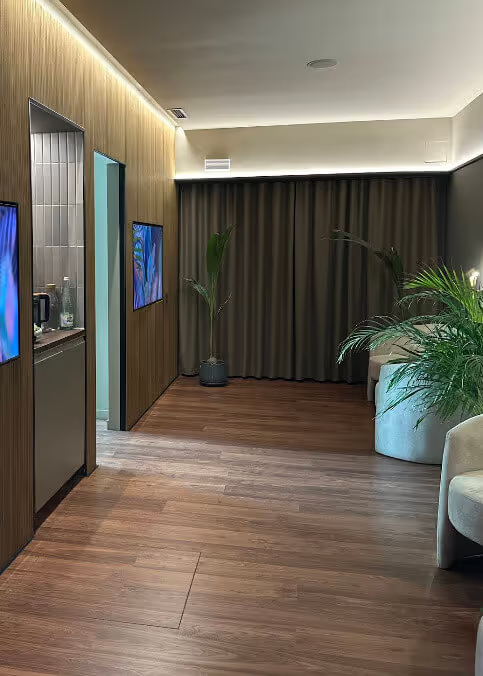

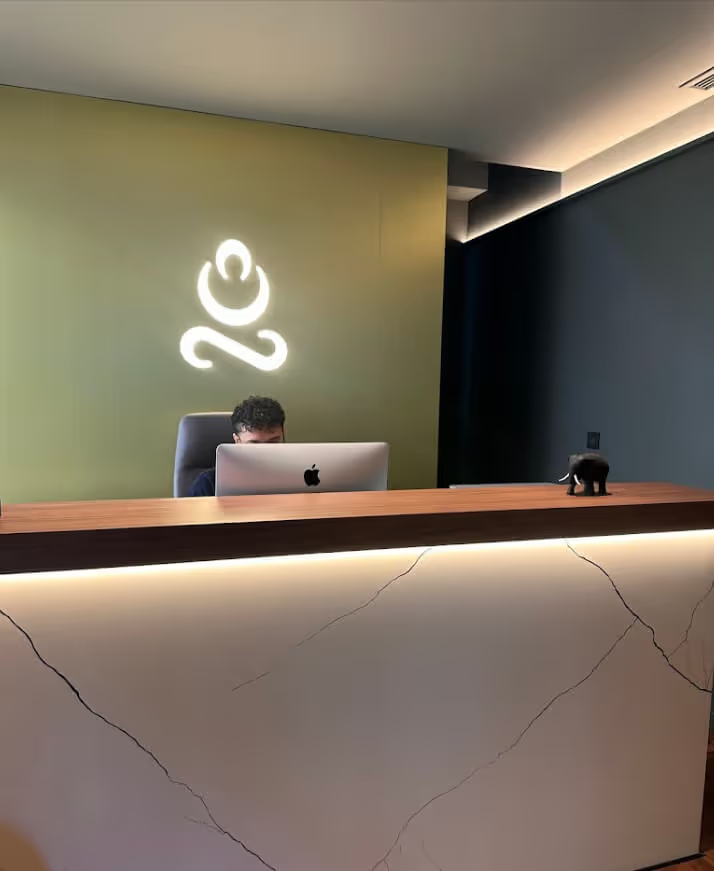
A special thanks to the receptionist who welcomed me and explained the different concepts, and to the amazing professional who gave me the massage.


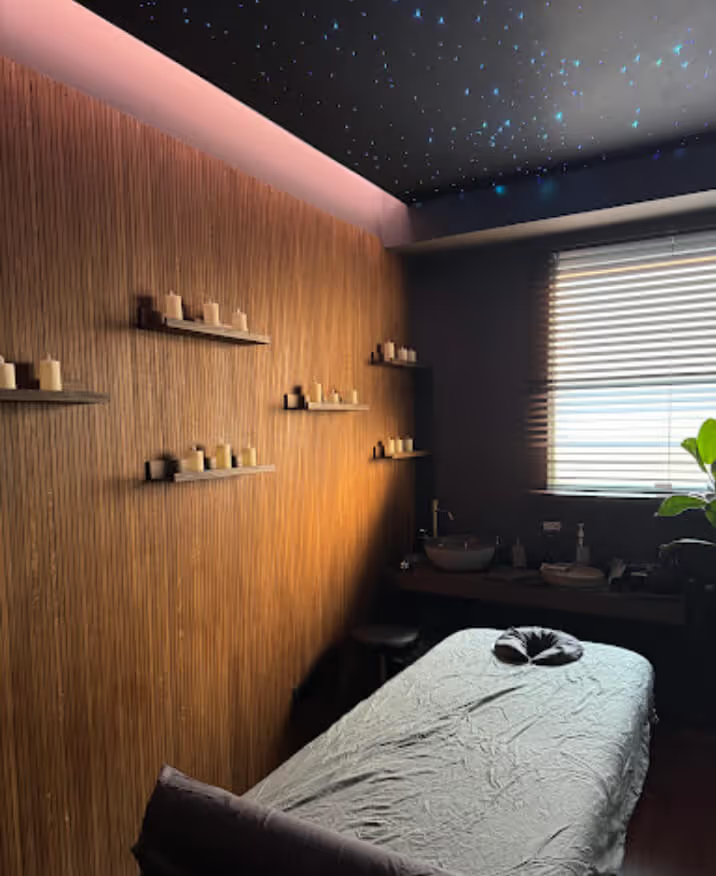
The massage I received was simply exceptional. The therapist, Alexandra (Sasha), is magical and knew exactly how to relieve my tension. The combination of techniques she used was perfect, and I left feeling completely revitalized.
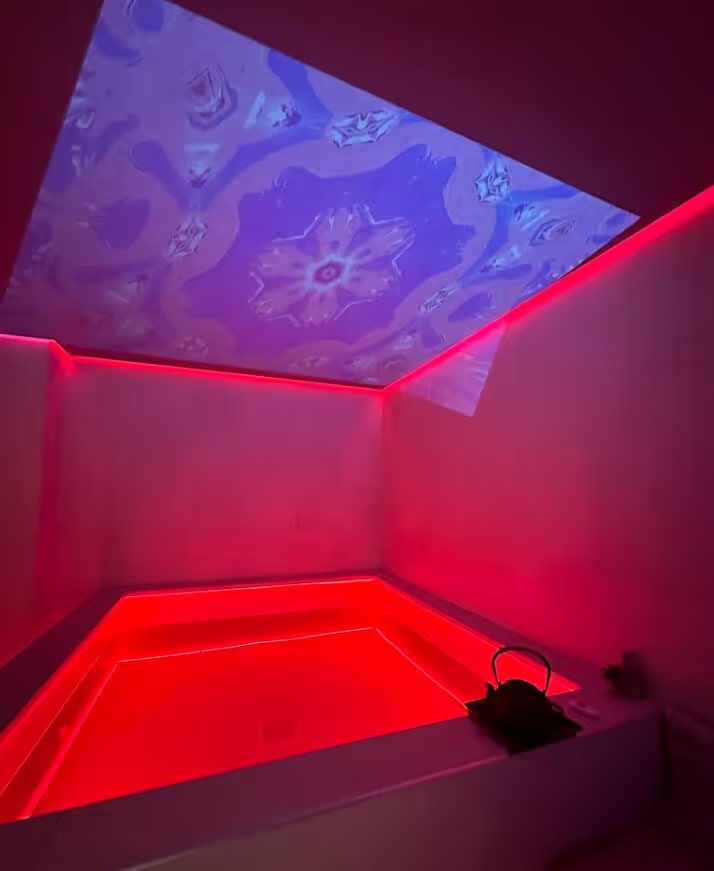
In addition to the massage, I also enjoyed a "reboot" treatment that helped me disconnect from daily stress and reconnect with myself. It was a very relaxing and rejuvenating experience.
I highly recommend this center to anyone looking for a place to relax, unwind, and take care of themselves. I will definitely be back!
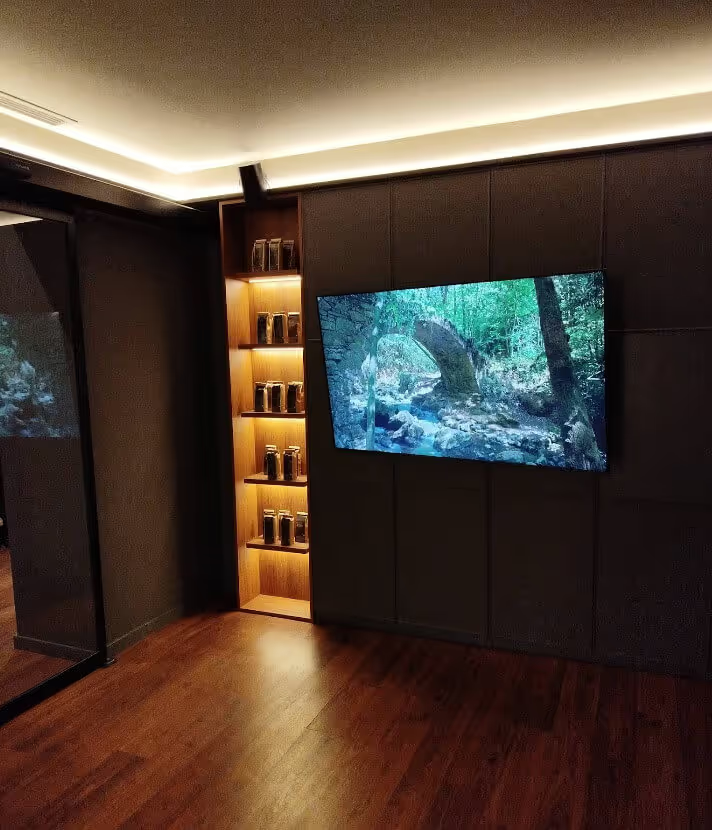
Mariusz is an excellent massage therapist! My back is happy. He relieved the tension and gave me recommendations for self-care exercises.
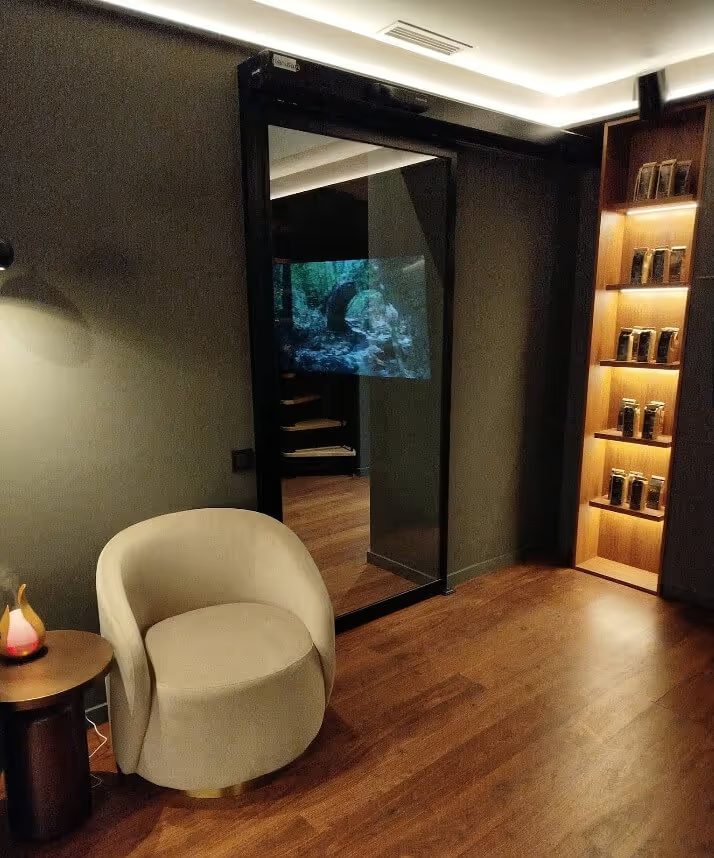
P.S. In the waiting area, you can make yourself a delicious cup of tea! 😊
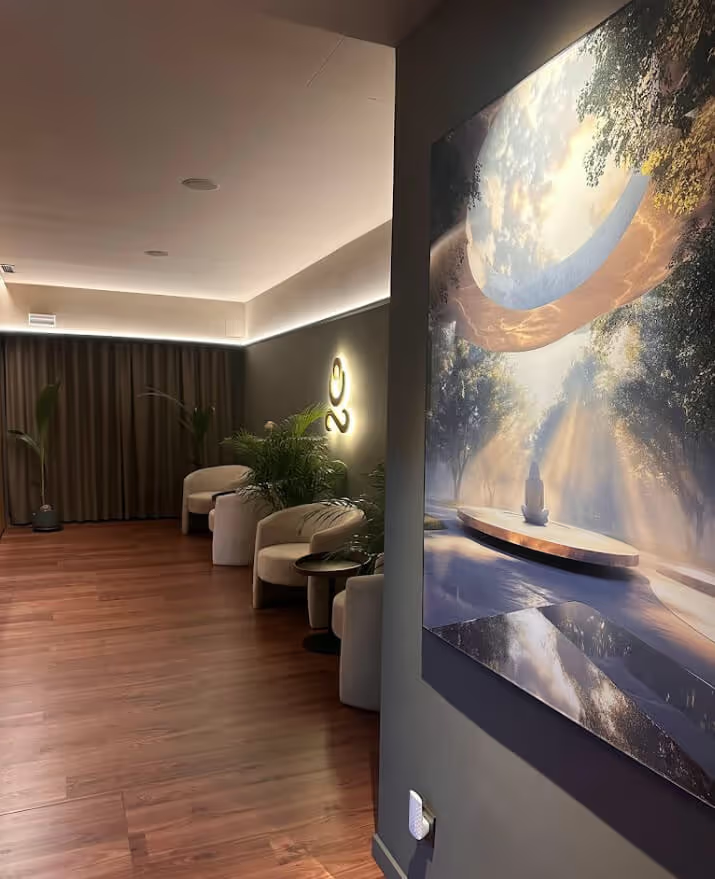
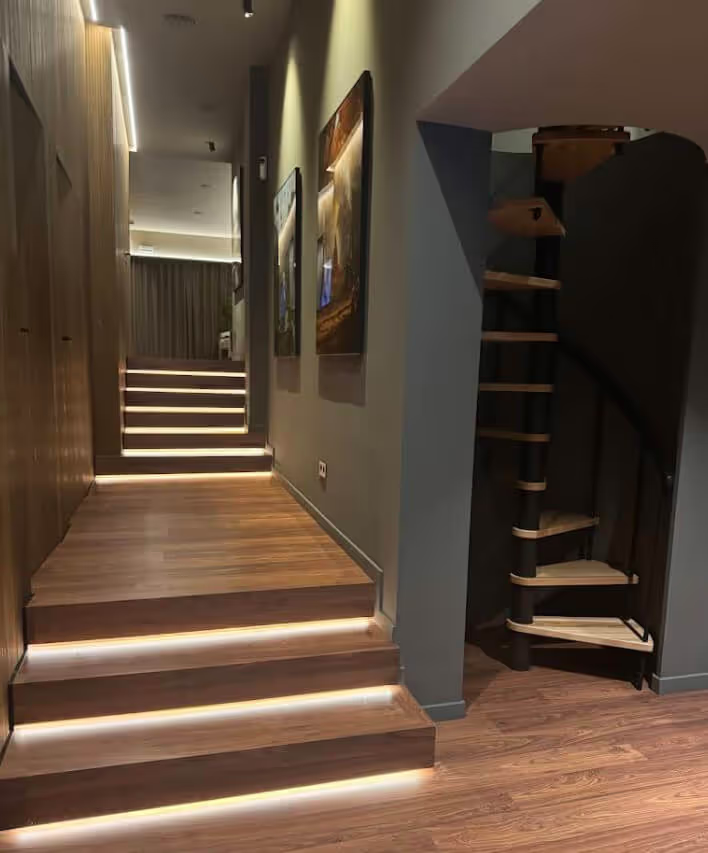
The entire space is designed for complete relaxation: soft lighting, pleasant aromas, and a highly professional team.
The reboot session was absolutely out of this world! It felt like a reset not just for my body, but for my mind as well. And the massage was performed at the highest level.
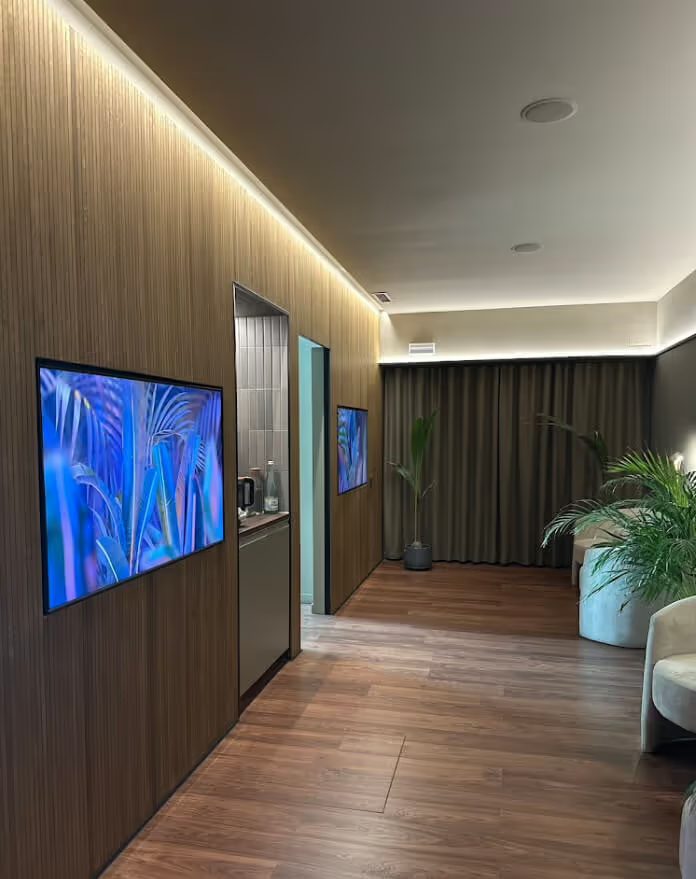
I also appreciated Yulia’s comprehensive approach: in addition to the sessions, she recommended a general diagnosis, massages, and provided guidance on what to do at home.
The center itself is also very pleasant and comfortable.
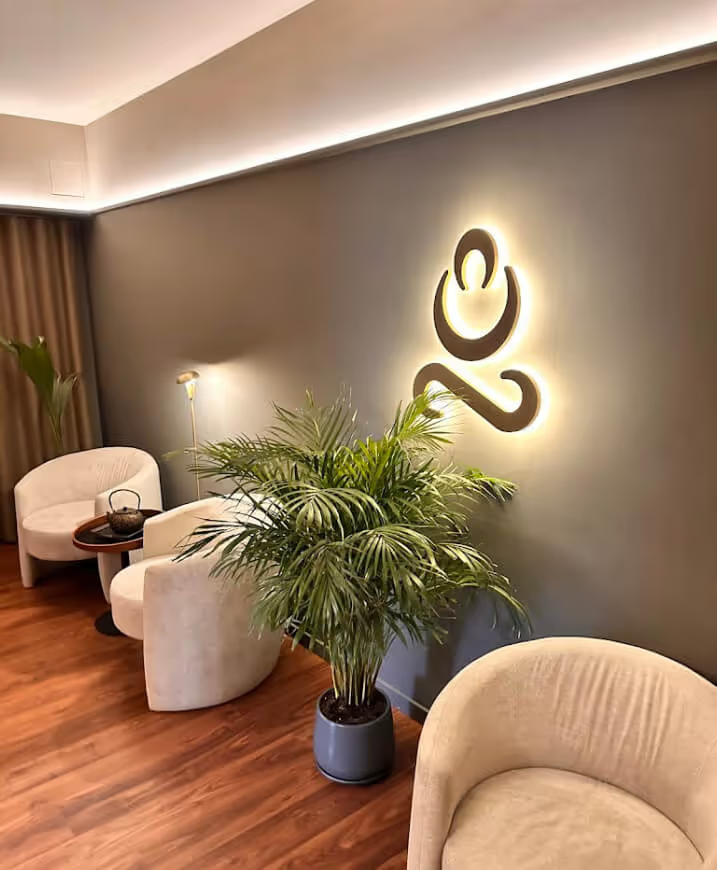
From the very first visit, the staff was kind, professional, and attentive to our needs. They provided a personalized approach, combining therapy and practical strategies that helped my child adapt both emotionally and mentally.

Dr. Igor is an amazing person who can help you if you have a mental health condition, are experiencing extreme stress, or simply need a reset for your mind and body.
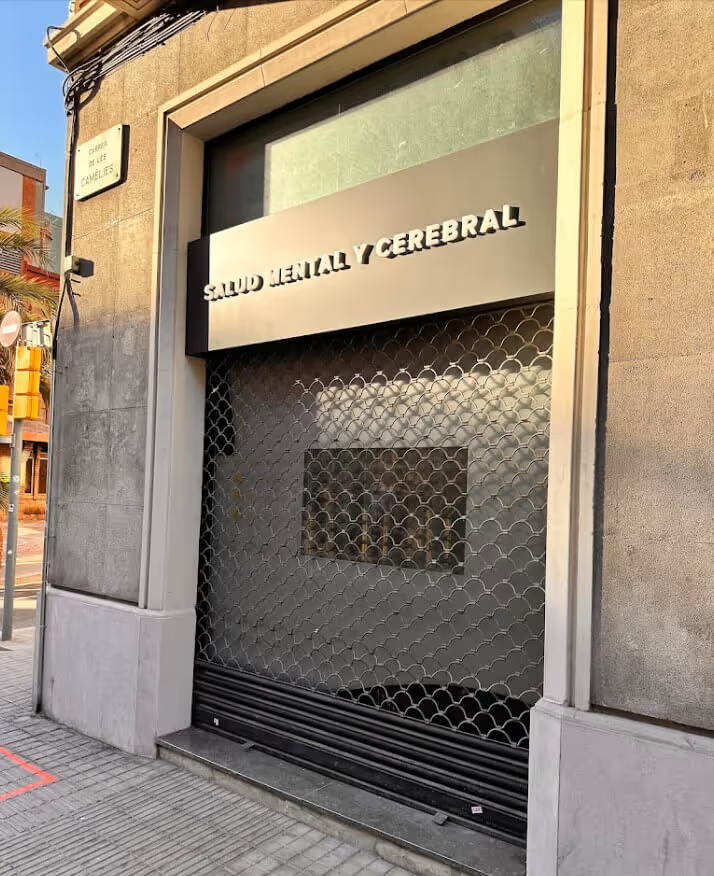
I was offered the Brain Spa procedure, and it became a true revelation for me. It’s not just a procedure; it’s a path to inner renewal. I felt the tension melt away, and the problems that once seemed complicated suddenly became clear and even simple. The most amazing thing was that I felt a sense of lightness, as if I could genuinely laugh for the first time in a long while.
The atmosphere is very pleasant, and the specialists are attentive and professional. I’m glad I found this place!
During the session, the team was attentive to every detail, and by the end, I couldn’t believe the result! My anxiety completely disappeared as if by magic. It was an immediate and impressive effect.
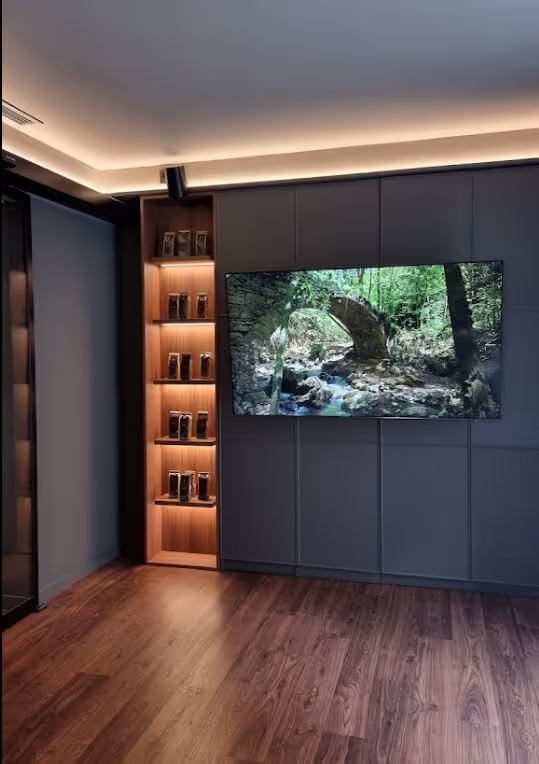
Every corner of this place is created with love and commitment and dedication! Unbelievable! Barcelona is lucky to have the centre of this level! Amazing
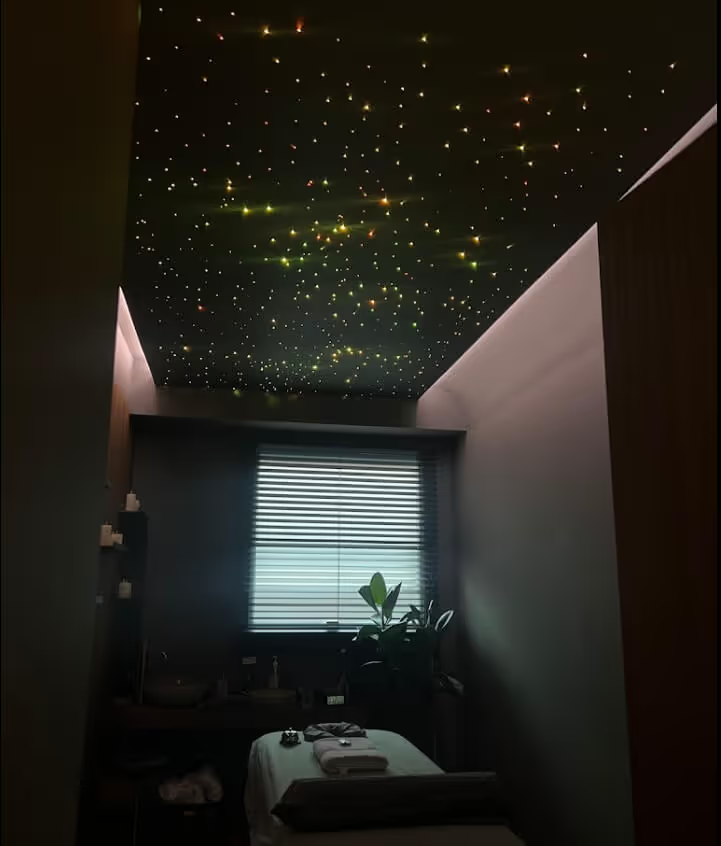
Highly recommended!